

1. The Fusion of Acrylic Frames and Light & Shadow Art
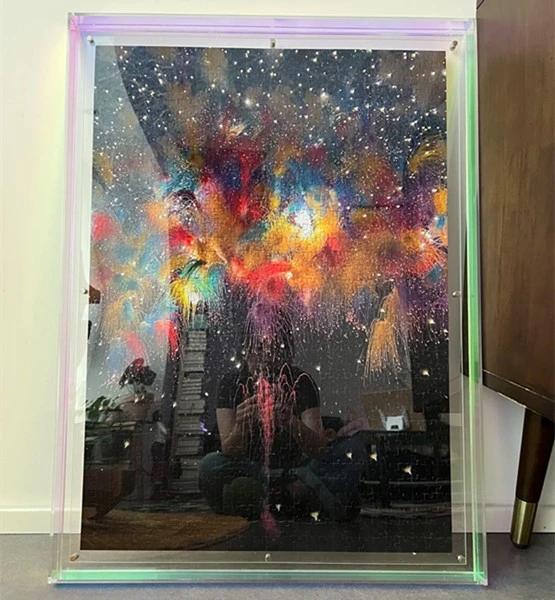
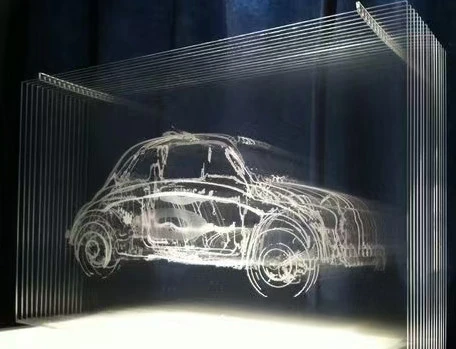
Acrylic's transparency and optical properties make it a great medium for light and shadow art. By combining LED backlighting, colored lighting, or dynamic lighting effects, acrylic frames can create unique visual effects that add depth and dynamism to the artwork. In modern art exhibitions, the interaction of light and shadow can blend seamlessly with the visual effects of acrylic frames, creating a stunning art experience.
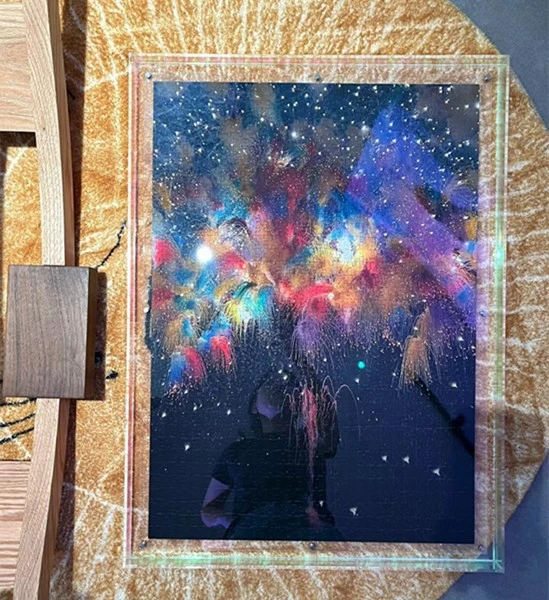
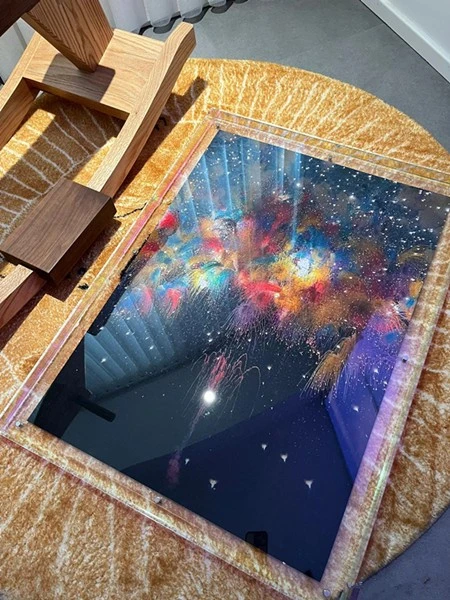
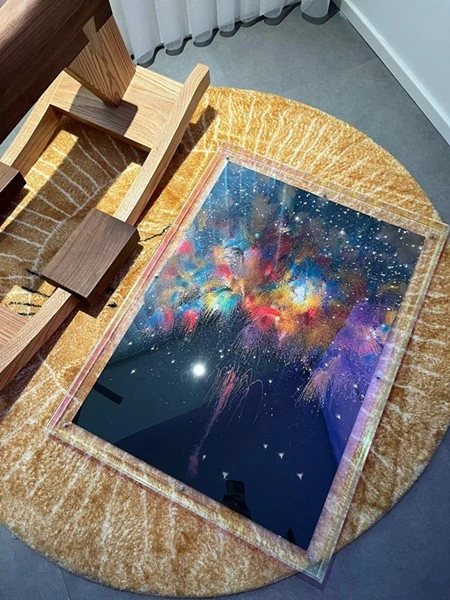
2. The Mobility of Acrylic Frames: A Portable Art Display Solution
The lightweight and durable nature of acrylic makes it an **extremely portable** option for art displays. It's not just for fixed displays but can be easily moved and rearranged, making it ideal for exhibitions or events that require flexibility. This feature is particularly useful in roaming exhibitions, temporary gallery spaces, or commercial events, offering greater freedom for artists, curators, and businesses.
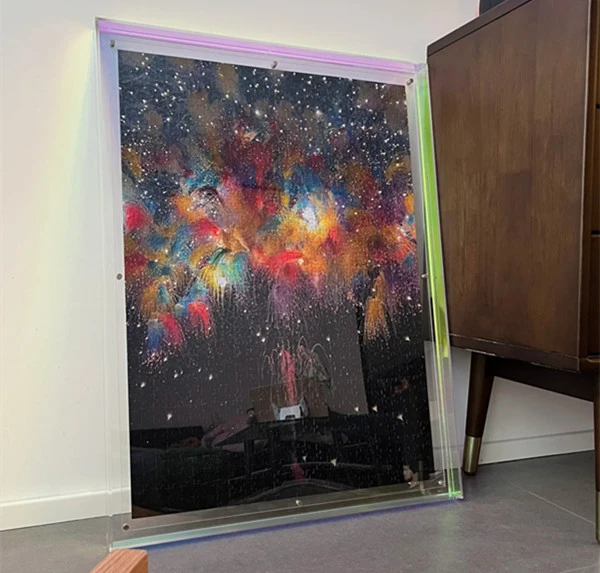
3. Acrylic Frames in the High-End and Luxury Market
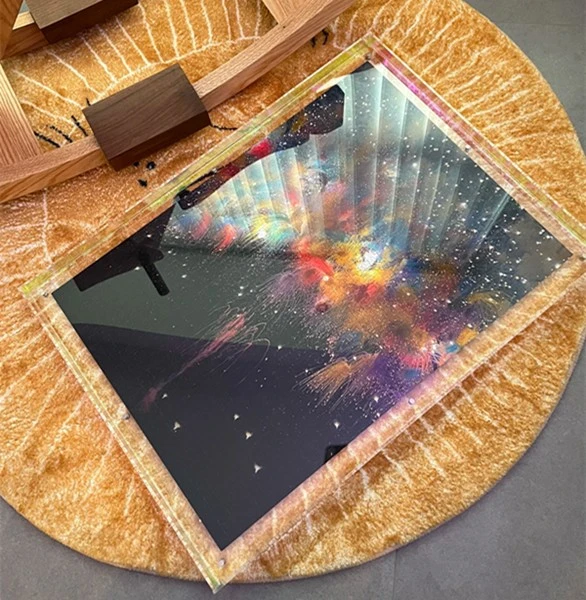
In high-end luxury and collectible displays, acrylic frames are increasingly being used as a modern and refined display material. For example, luxury jewelry, limited edition art pieces, and collectible watches are now often showcased in acrylic frames. The transparency and minimalist design of acrylic frames highlight the intricate details of the items, presenting them with a touch of modern luxury.


4. Acrylic Frames and the Digital Age of Art
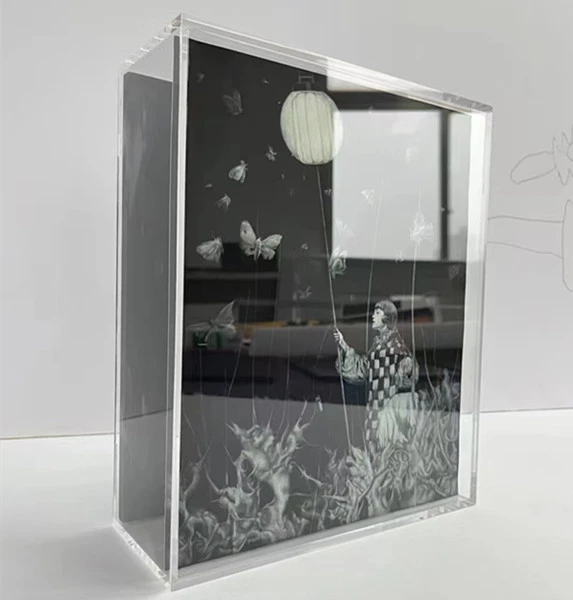
With the rise of digital art and NFT (Non-Fungible Token) art, acrylic frames provide a new way to display these contemporary art forms. Acrylic frames with digital screens or dynamic display technology can be used to showcase digital artworks or NFTs, offering a physical platform for these virtual pieces. This combination not only protects the artwork but enhances the traditional art display experience by incorporating digital innovation.
5. Cross-Industry Innovation: Acrylic Frames in Advertising and Marketing
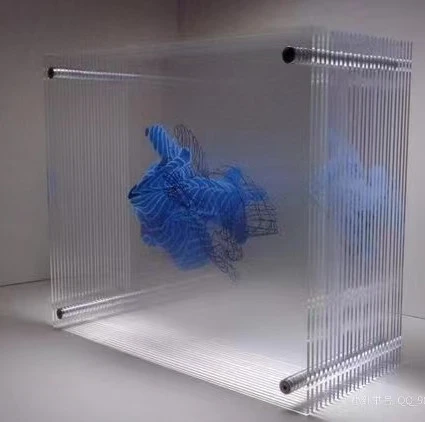
Acrylic frames are no longer just used for art; they are increasingly entering the realms of advertising, brand marketing, and store displays. Brands and businesses can use acrylic frames as creative advertising tools to display brand stories or new products. For example, in retail stores, restaurants, and exhibition halls, acrylic frames are used to showcase product information, promotional posters, or marketing content. Their high transparency and customizable design make them a unique and eye-catching way to present advertisements.
6. Acrylic Frames in the Cultural and Creative Industries
Acrylic frames have found new applications in the cultural and creative industries. For instance, in the creation of cultural and creative products, souvenirs, and theme park merchandise, acrylic frames are used to display art pieces, designer works, or custom-made items, helping to promote local culture and creativity. Through clever design and customization, acrylic frames become an effective medium for conveying culture and creativity, drawing consumers' attention.
7. Innovation of Acrylic Frames in Environmental and Green Design
As environmental consciousness and sustainable development gain global importance, more brands and designers are focusing on eco-friendly design. Acrylic frames, being made of recyclable materials, offer a green design solution. Designers can use recycled acrylic and low-carbon production methods to create art frames that are both environmentally friendly and modern. In this way, acrylic frames not only hold art but also convey a message of sustainability.
8. Acrylic Frames and Their Relationship with Space Planning
In modern interior design, acrylic frames serve as decorative elements that play a key role in space planning. Designers can use acrylic frames to create unique focal points within a room, blending art and interior décor. Additionally, the transparent quality of acrylic can complement various home styles, color schemes, and spatial functions, creating a more creative and layered space design.
Through these different angles, acrylic frames can be explored as more than just art displays; they interact with fields such as art, business, technology, and environmentalism, and have a profound impact on contemporary trends in cross-industry innovation and design.